

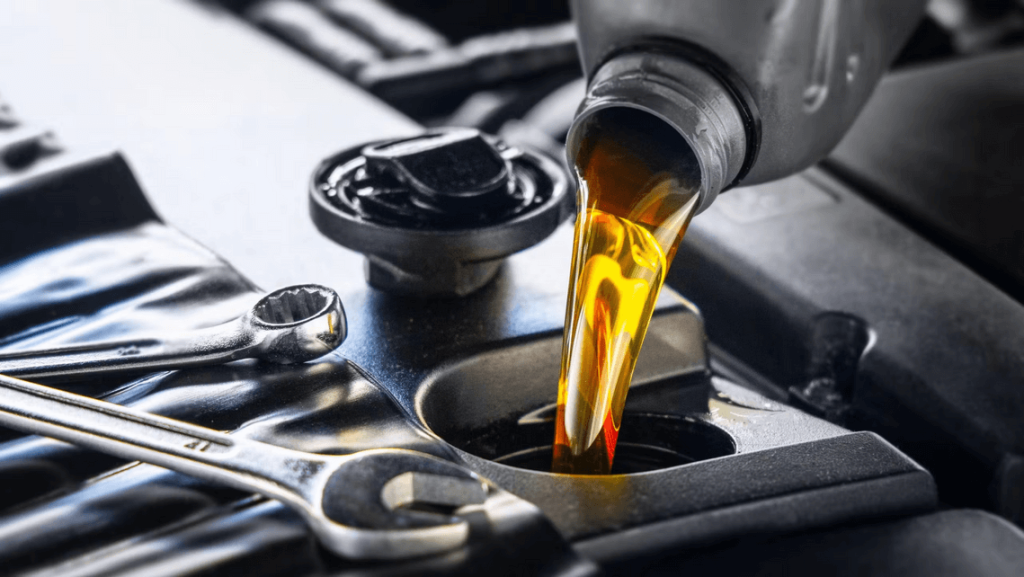
Changing your engine oil is crucial for maintaining your vehicle's performance and longevity. Fresh oil provides effective lubrication, reducing friction and wear on engine components. This leads to smoother engine operation and improved overall performance. Regular oil changes also help prevent the build-up of sludge and debris, which can cause significant damage to the engine over time. Clean oil ensures that all moving parts work efficiently, extending the life of your engine.
Additionally, using fresh oil can enhance your vehicle's fuel efficiency. When the engine is well-lubricated, it doesn't have to work as hard, which can improve gas mileage. In summary, regular oil changes are essential for optimal engine performance, longevity, and fuel efficiency, making them a key part of vehicle maintenance.
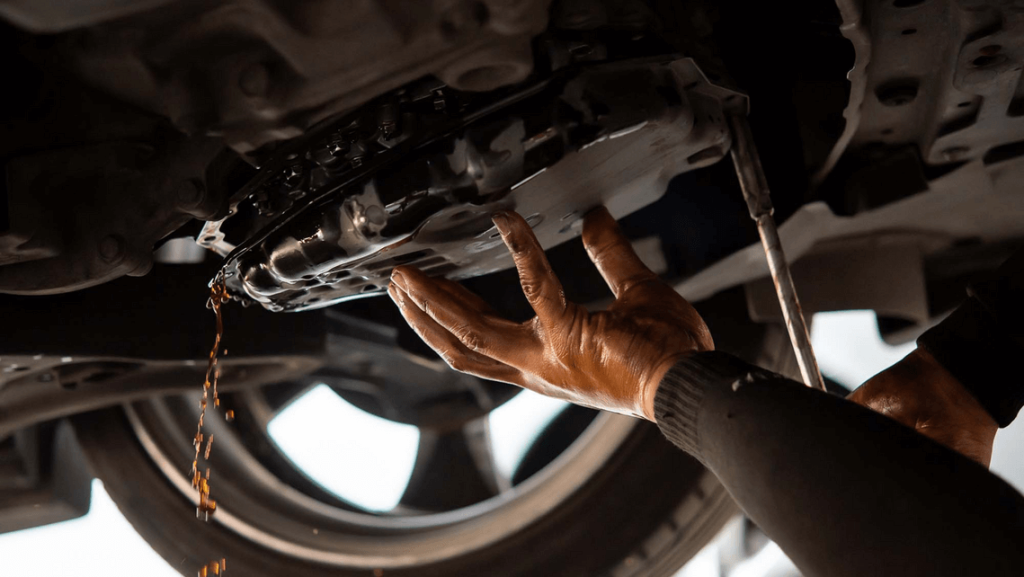
Changing your transmission oil is a vital aspect of vehicle maintenance that ensures your transmission system operates smoothly and efficiently. Over time, transmission oil can become contaminated with debris and lose its effectiveness, which can lead to poor shifting performance and potential transmission damage.
Fresh transmission oil provides the necessary lubrication to reduce friction and wear on the internal components of the transmission. This not only enhances the smoothness of gear shifts but also prevents overheating and helps maintain the integrity of the transmission system. Regular transmission oil changes can extend the life of the transmission, reducing the likelihood of costly repairs or replacements.
In addition to improving the performance and lifespan of your transmission, clean transmission oil also contributes to better overall vehicle performance. A well-maintained transmission allows your engine to operate more efficiently, which can positively impact fuel economy. By ensuring your transmission is properly lubricated and free of contaminants, you help maintain the optimal functioning of your vehicle, ensuring a smoother and more reliable driving experience.
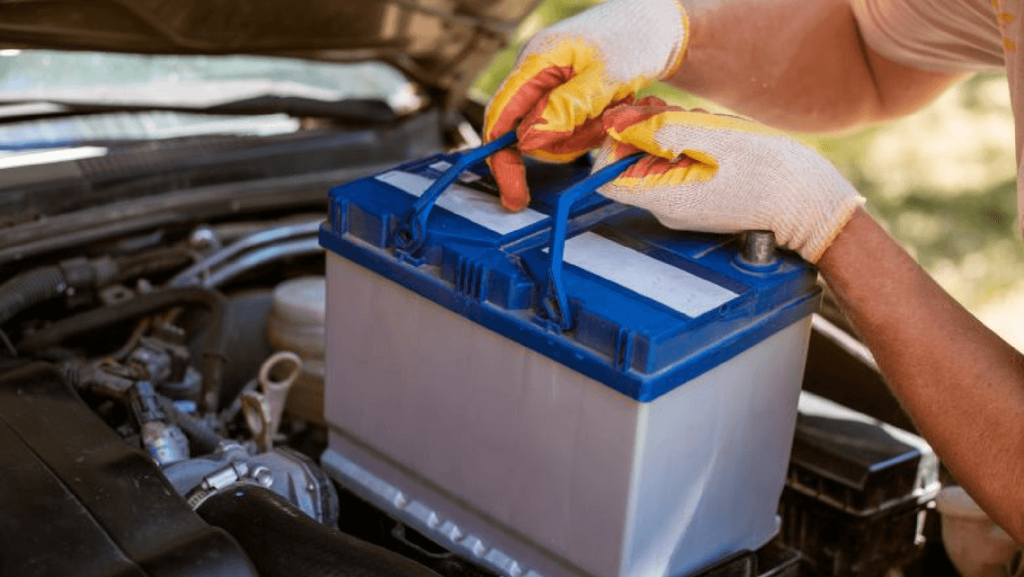
Replacing your car battery is an essential maintenance task that ensures your vehicle remains reliable and starts consistently. Over time, car batteries lose their ability to hold a charge and provide the necessary power to start the engine and operate electrical components.
One of the primary benefits of replacing your battery is improved reliability. A new battery ensures that your vehicle starts promptly, even in extreme weather conditions. Old batteries can become unreliable, leading to unexpected breakdowns and the inconvenience of needing a jump start or towing service.
Replacing the battery also helps to protect the vehicle’s electrical system. A failing battery can cause fluctuations in power supply, potentially damaging sensitive electronic components and accessories. By installing a new battery, you ensure a stable and consistent power flow, preserving the health of your vehicle’s electrical system.
Additionally, a fresh battery can improve the performance of electrical systems such as lights, radio, and climate control. These systems rely on a steady power supply to function optimally. A new battery provides the necessary power, ensuring these systems operate efficiently and effectively.
Overall, replacing your car battery at regular intervals or when you notice signs of battery failure is crucial for maintaining vehicle reliability, protecting the electrical system, and ensuring optimal performance of electronic components.
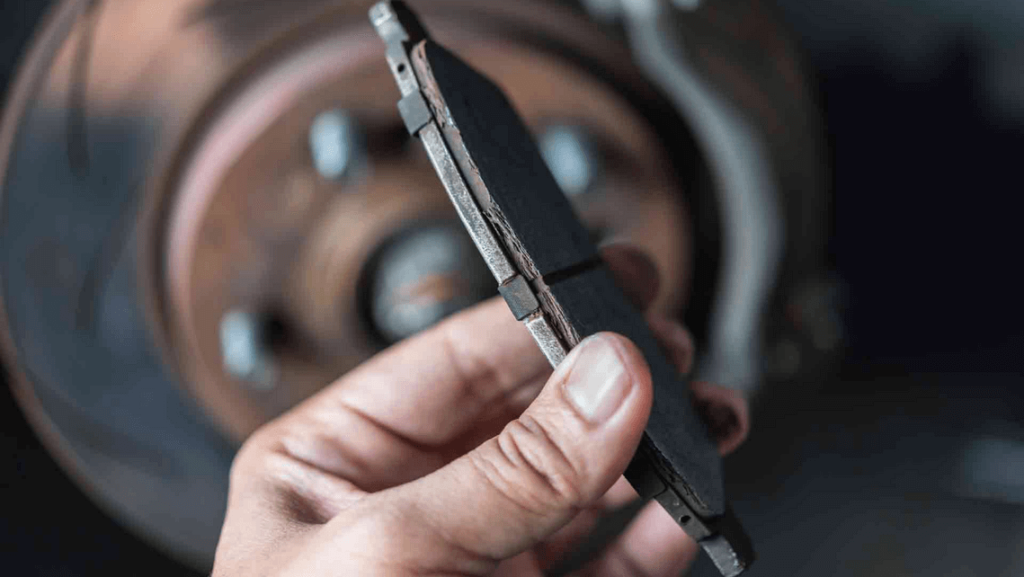
Replacing your brake pads is a critical maintenance task that ensures the safety and performance of your vehicle. Over time, brake pads wear down due to the friction created when they press against the brake rotors to slow down or stop your car. This wear reduces their effectiveness, making it essential to replace them regularly.
One of the primary benefits of replacing brake pads is improved safety. Worn-out brake pads can significantly reduce your braking ability, increasing stopping distances and the risk of accidents. New brake pads provide better grip and more consistent braking performance, ensuring your vehicle can stop quickly and safely in various driving conditions.
Replacing brake pads also helps to protect other components of the braking system, such as the brake rotors and calipers. Worn brake pads can cause excessive wear and damage to these parts, leading to more costly repairs. By installing new brake pads, you reduce the stress on the braking system, extending the lifespan of the rotors and calipers and maintaining overall braking efficiency.
Furthermore, new brake pads contribute to a quieter and smoother braking experience. Worn pads can cause squeaking, grinding, and vibrations when braking. Fresh pads eliminate these issues, providing a more comfortable and pleasant driving experience.
In summary, regular brake pad replacement is essential for ensuring optimal braking performance, enhancing safety, protecting other braking components, and providing a quieter, smoother ride.
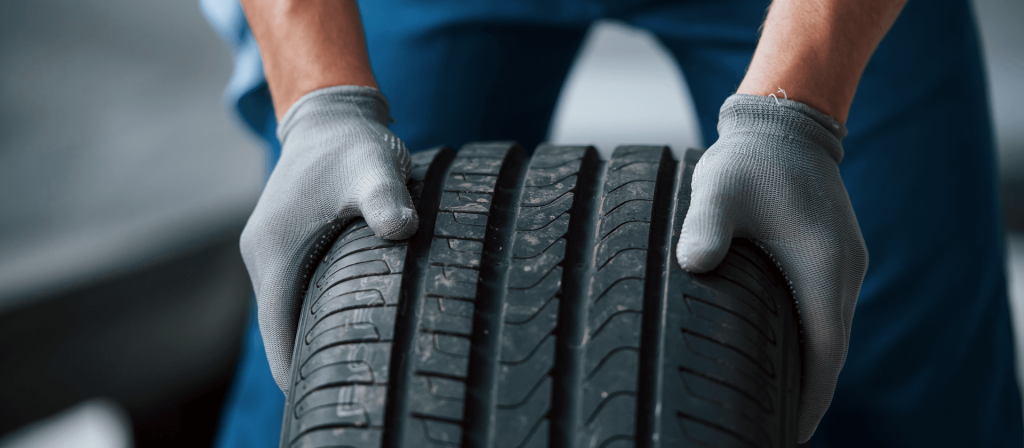
Replacing your tires is a crucial aspect of vehicle maintenance that ensures safety, performance, and efficiency. Over time, tires wear down due to regular use and exposure to various road conditions, which can compromise their effectiveness and increase the risk of accidents.
One of the primary benefits of replacing your tires is improved safety. Worn-out tires have reduced tread depth, which can significantly decrease traction, especially in wet or slippery conditions. This can lead to longer stopping distances and an increased likelihood of skidding or hydroplaning. New tires provide better grip and traction, enhancing your vehicle's ability to handle various driving situations and improving overall road safety.
Replacing tires also contributes to better vehicle performance. Worn tires can negatively affect your car's handling, stability, and ride comfort. New tires ensure that your vehicle responds more precisely to steering inputs and maintains better stability on the road, providing a smoother and more controlled driving experience.
Additionally, new tires can enhance fuel efficiency. Worn tires with uneven tread wear can increase rolling resistance, causing your engine to work harder and consume more fuel. By installing new tires, you can reduce rolling resistance and improve your vehicle's fuel economy, saving money on fuel in the long run.
Moreover, replacing tires helps to prevent further damage to your vehicle. Driving on worn-out tires can cause undue stress on the suspension system and other components, potentially leading to more expensive repairs. New tires help distribute weight and pressure evenly, reducing the risk of additional wear and tear on your vehicle.
In summary, regular tire replacement is essential for maintaining optimal safety, performance, fuel efficiency, and preventing further damage to your vehicle. New tires provide better traction, handling, and stability, ensuring a safer and more enjoyable driving experience.
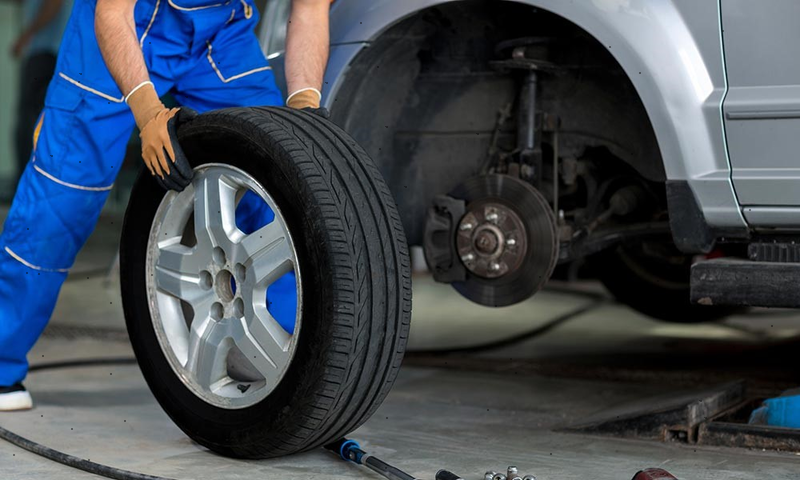
Replacing your car's rims can significantly impact the performance, safety, and aesthetics of your vehicle. Over time, rims can become damaged due to impacts with potholes, curbs, or road debris, which can compromise their integrity and functionality.
One of the primary benefits of replacing damaged or worn-out rims is improved safety. Bent or cracked rims can lead to tire damage, air leaks, and even blowouts, all of which can cause dangerous driving conditions. New rims ensure a proper seal with the tires, maintaining correct tire pressure and reducing the risk of sudden tire failure.
Replacing rims also enhances vehicle performance. Damaged rims can cause vibrations, uneven tire wear, and poor handling. New rims provide a balanced and stable foundation for your tires, leading to smoother rides, better handling, and improved fuel efficiency. This is particularly important for maintaining optimal control and stability, especially at higher speeds or in challenging driving conditions.
In addition to safety and performance, replacing your rims can also improve the aesthetics of your vehicle. Rims come in various styles, materials, and finishes, allowing you to customize the look of your car. Upgrading to new, stylish rims can enhance the overall appearance of your vehicle, giving it a refreshed and more modern look.
Moreover, new rims can be lighter and stronger than older or stock rims. Many aftermarket rims are made from advanced materials like aluminum alloy, which reduces weight and improves fuel efficiency without compromising strength. Lighter rims also reduce unsprung weight, which can enhance suspension performance and ride quality.
In summary, rim replacement is essential for maintaining vehicle safety, performance, and aesthetics. New rims provide a secure fit for tires, improve handling and fuel efficiency, and allow for customization of your vehicle’s appearance. Regular inspection and timely replacement of rims ensure a safer and more enjoyable driving experience.
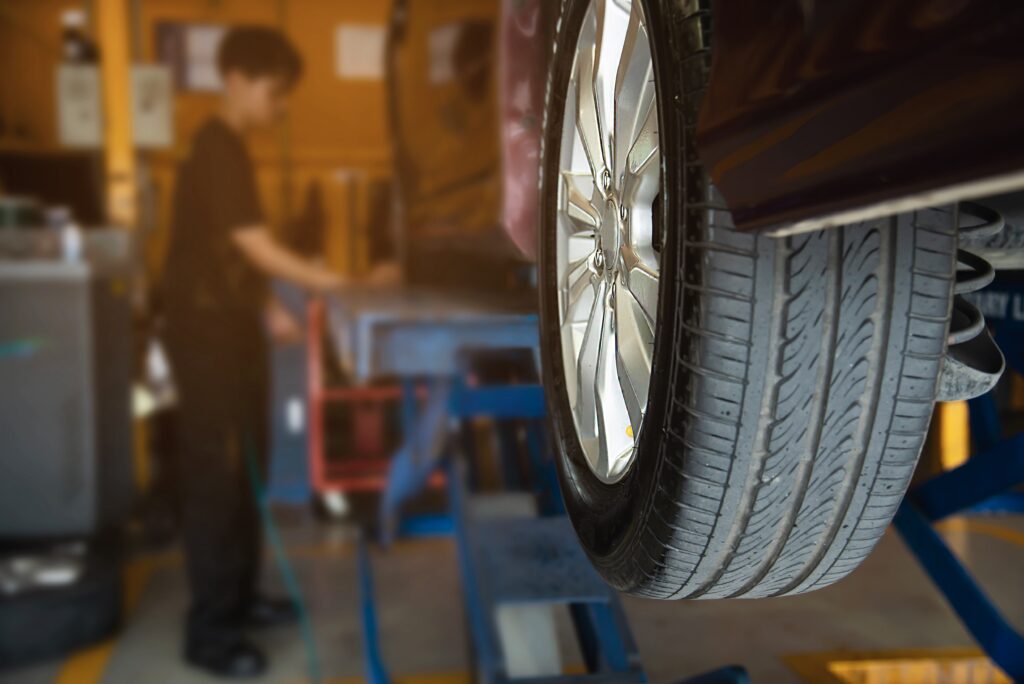
Wheel alignment is a crucial maintenance procedure that ensures all four wheels of your vehicle are set to the optimal angles as specified by the manufacturer. Over time and due to various factors like road conditions and regular driving, the alignment of your wheels can gradually shift out of the correct position. This misalignment can manifest in different ways, such as the steering wheel not being centered while driving straight, or the vehicle pulling to one side.
Proper wheel alignment involves adjusting three main angles: camber, caster, and toe. Camber refers to the inward or outward tilt of the wheels when viewed from the front. Caster refers to the angle of the steering axis when viewed from the side of the vehicle. Toe refers to whether the wheels point inward or outward when viewed from above. These adjustments ensure that the wheels are parallel to each other and perpendicular to the ground, optimizing vehicle handling, steering response, and tire wear.
Having your wheels aligned regularly, typically recommended every 10,000 to 20,000 kilometers or if you notice any handling issues, helps maintain optimal vehicle performance and safety. Proper alignment promotes even tire wear, which extends tire life and improves fuel efficiency by reducing rolling resistance. It also enhances vehicle stability, especially during cornering and emergency maneuvers, ensuring a smoother and safer driving experience overall.